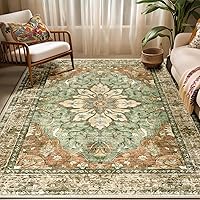
6x9 vs 8x10 Rug: Which Suits a Living Room? (November 2026)
Choose a 6x9 rug for a compact seating group and an 8x10 rug for more coverage under a wider arrangement. Measure your furniture and walking paths, then tape out both sizes to see which fits.
On this page (9 sections)
- 6x9 vs 8x10 rug: which size fits your living room?
- How should furniture sit on each rug?
- When is an 8x10 worth the extra floor coverage?
- How can you compare both sizes before buying?
- Which size leaves better walking space?
- Does a living room rug need to reach the walls?
- What should you know about pile and care?
- What common sizing mistakes should you avoid?
- Which rug size should you choose?
A 6x9 rug suits a compact seating group, while an 8x10 rug can bring more of a wider living room arrangement onto one surface. For a 6x9 vs 8x10 rug, choose by mapping your furniture and walking routes, not by room area alone.
The Soalmost 6x9 measures 108 x 72 inches, and the Soalmost 8x10 measures 120 x 96 inches. By their nominal dimensions, the larger rug covers 26 square feet more.
Both Soalmost rugs have a 0.24-inch pile, TPR backing and machine-washable care guidance. Their key difference is the floor area they cover, so start with the shape and placement of your seating group.
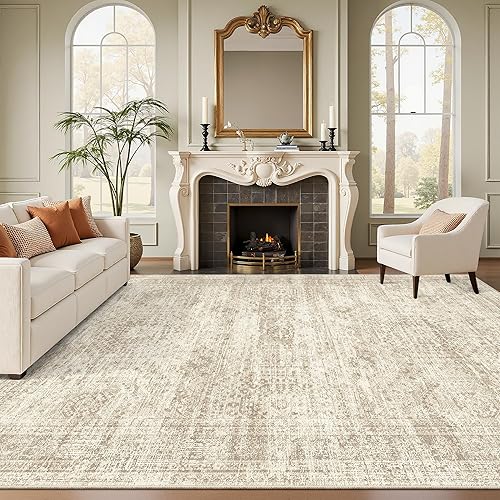

6x9 vs 8x10 rug: which size fits your living room?
Choose a 6x9 for a smaller seating area and an 8x10 when you want more floor beneath a wider furniture group. The 6x9 covers about 54 square feet by its nominal dimensions; the 8x10 covers about 80.
That extra 26 square feet can bring a sofa, chairs and coffee table together on one rug. It also takes up more open floor, so the larger size only helps if you can keep useful paths around the seating.
The 8x10 is 24 inches longer and 24 inches wider than the 6x9. That difference may matter around a long sofa or when chairs sit on both sides of a coffee table.
Room dimensions alone won’t settle the choice. Door swings, media cabinets, vents, side tables and the route between rooms all shape where the rug can go.
What does an 8x10 add over a 6x9?
An 8x10 adds room to include more furniture on the rug. It may suit a sofa paired with separate chairs, while a 6x9 is often enough to anchor a smaller seating group.
The added area is useful when it connects the seats and table without running into a doorway or squeezing the walking route. If it leaves little space around the rug or extends beneath furniture you move often, the footprint may be too large.
If your seating area is especially compact, compare a smaller option in the 5x7 vs 8x10 rug guide. It can help clarify whether either size in this comparison will suit your layout.
How should furniture sit on each rug?
Aim to put the main seats on a shared rug while keeping clear paths around them. In many layouts, the sofa’s front legs and the chairs’ front legs rest on the rug, visually joining the seating area.
A 6x9 can anchor a sofa and coffee table, though side chairs may sit partly or fully off it. That arrangement works when the furniture still feels connected and the rug reaches far enough under the main seat.
An 8x10 gives more room to include chairs and a coffee table on the same surface. Check the edges behind the seats and beside nearby furniture, since a larger rug can reduce the open floor where people walk.
There is no single placement rule for every sofa or room. Measure the furniture depth and leg positions, then plan around how people actually pass through the space.
When does a 6x9 work better?
A 6x9 works better when it anchors the main seats without crowding a doorway or walkway. It’s a practical fit for a smaller living room or a seating group that doesn’t spread far beyond the sofa.
Arrange the seats first, then measure from the sofa front to the farthest chair legs you want on the rug. If the 6x9 connects the group and preserves comfortable movement, extra floor coverage may not add much.
The best 6x9 washable rugs page can help you compare more rugs in this footprint. The Soalmost 6x9 is one option to consider for a compact arrangement.
Skip the 6x9 if it leaves the chairs disconnected from the sofa or puts only a small part of the seating group on the rug. In that case, tape out an 8x10 before deciding whether the added coverage fits.
When is an 8x10 worth the extra floor coverage?
An 8x10 is a stronger fit when the sofa and chairs spread across a broad seating area. The added width and length can let more furniture share one surface and give the coffee table more room inside the group.
It suits a living room where the 6x9 would leave several seat legs off the rug. It can also help define a larger seating zone in an open plan, as long as the rug doesn’t interrupt the routes between the living room and other areas.
Skip the 8x10 if it nearly touches walls, blocks a door or leaves a narrow strip for walking around the furniture. A room can be large enough by area but still have an awkward shape for this footprint.
How can you compare both sizes before buying?
Tape each rug outline on the floor before choosing. The outline shows how the footprint relates to your furniture and daily routes better than a room measurement alone.
Measure the seating area and mark the 6x9 first. Place or imagine the furniture as it normally sits, then walk between the entry, sofa and nearby rooms.
Repeat with the 8x10. Use the Soalmost rugs’ exact dimensions for those options, and check door swings, drawers and cabinet access while each outline is down.
Look at the layout from the doorway and from the seats. A rug can fit on paper but still feel cramped if its edge cuts across a route or crowds a side table.
If possible, leave the tape in place through a normal day. That gives you a chance to notice tight turns and furniture movement before committing to a rug.
Which size leaves better walking space?
Pick the size that preserves a direct route between the entry, seating and the rest of the room. A larger rug can define the seating zone, but it shouldn’t make people step around a corner or squeeze behind a chair.
Check the path from the entry to the sofa, plus the route from the sofa to nearby rooms. Also look at clearances beside media cabinets, floor lamps and side tables.
In a narrow room, turn the rug so its longer dimension follows the seating area rather than cutting across the main path. The shorter side may determine whether the rug works, even when the longer side seems like a good match.
A 6x9 leaves more open floor at its edges but may split up the seating group. An 8x10 joins more of the arrangement while using more of that open floor.
Does a living room rug need to reach the walls?
No, a living room rug does not need to touch the walls. A visible strip of floor around the rug can preserve clearance and keep the rug from pressing against doorways or baseboards.
Measure the gap between each proposed rug edge and the nearest wall or doorway. Then check whether the seats still sit together and whether you can walk comfortably around the arrangement.
If the 6x9 leaves too much of the seating group outside the rug, consider the 8x10. If the 8x10 leaves almost no floor around the perimeter, the smaller size may be easier to place.
For a much larger room, the 9x12 vs 10x14 rug guide covers a comparison with more coverage. It can help if both sizes here look small in your taped layout.
What should you know about pile and care?
Both Soalmost options have a low 0.24-inch pile and TPR backing. Their pile is slim, so check door clearance where the rug will sit and keep furniture legs stable on its surface.
The rugs are described as machine washable, with care guidance to use cold water and mild detergent, then dry on an air-only setting. Check that your washer can handle the rug’s size before washing, especially for the 8x10.
The maker advises smoothing new creases, flattening the rug and allowing a few days for them to settle. For a wider overview of care and size choices, see washable rug sizes explained.
Vacuum regularly to manage everyday dust and debris. Because these rugs are low-pile and thin, the maker advises placing heavy objects on the four corners while vacuuming to help keep the rug from being drawn up.
What common sizing mistakes should you avoid?
The most common mistake is choosing by the room’s dimensions without checking the furniture layout. A rug can fit within a room yet miss the seats you want it to connect.
Another mistake is measuring only the sofa. Include chairs, the coffee table, doors and the path between rooms, then check whether the rug reaches the arrangement without crowding its edges.
Don’t assume that a larger rug always makes the room look better. If an 8x10 runs into door swings or leaves too little floor around the seating, a well-placed 6x9 can be the more useful choice.
Finally, don’t rely only on nominal size labels. Compare the actual dimensions of the rug you’re considering with your taped outline before ordering.
Which rug size should you choose?
Pick the 6x9 if it connects your main seats and keeps the walking routes open; pick the 8x10 if a wider seating group needs more shared coverage. That’s the practical rule for a 6x9 vs 8x10 rug.
For the Soalmost options, the 6x9 measures 108 x 72 inches and suits a more compact layout. The 8x10 measures 120 x 96 inches and fits a broader arrangement when the room can spare the floor area.
If the 6x9 looks too small and the 8x10 too large, test a different furniture arrangement before deciding. Tape both footprints and choose the one that connects the seats while preserving the paths you use every day.
Frequently asked questions
Is a 6x9 or 8x10 rug better for a living room?
A 6x9 rug often fits a compact seating group, while an 8x10 gives larger furniture arrangements more shared coverage. Measure the sofa, chairs and open walkways, then mark each rug size on the floor to see which leaves comfortable clearance.
How much bigger is an 8x10 rug than a 6x9?
An 8x10 covers about 26 square feet more than a 6x9 when comparing nominal dimensions: 80 square feet versus 54. Exact rugs can vary, so check the dimensions of the size you plan to buy and map the outline in your room.
Should a living room rug go under the sofa?
Many layouts place the front legs of the sofa and chairs on the rug to connect the seating group. The right placement depends on furniture size and room shape; keep the rug from blocking doors or leaving narrow paths through the space.
Can an 8x10 rug fit in a small living room?
It can fit if the room leaves enough space around the rug for walking and furniture movement. Tape out an 8x10 footprint before buying, then check door swings, vents and the distance between the rug edge and walls.
How do I choose between a 6x9 and 8x10 rug?
Choose based on the furniture you want to connect and the clear floor you can spare. A 6x9 suits a smaller grouping; an 8x10 can extend beneath more seating.
Tape both outlines and test the walking paths before choosing.