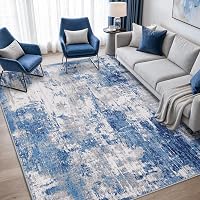
Are Ruggable Rugs Toxic?
No. Ruggable's washable covers and pads use materials such as polyester and recycled cotton, and the company has worked toward material certifications like OEKO-TEX. So are Ruggable rugs toxic in normal use? There's no known toxic risk when you follow the wash and care instructions.
On this page (9 sections)
- What are Ruggable rugs made of?
- Are Ruggable rugs toxic in normal use?
- Do washable rugs off-gas or smell when new?
- What certifications should you look for?
- Does the rug pad affect safety and air quality?
- How do you keep a washable rug clean and low-odor?
- Which rug pad keeps a washable rug in place?
- Are Ruggable rugs safe for kids and pets?
- Bottom line: are Ruggable rugs toxic?
No known toxic materials turn up in the standard Ruggable cover and pad. The washable covers are made from textiles such as polyester, and the company has worked toward material certifications like OEKO-TEX.
So when people ask are Ruggable rugs toxic, the honest answer is that normal use carries no known toxic risk.
The bigger question for most homes is how the rug behaves day to day. A washable rug you can lift, machine wash and air out keeps dust and spills easier to manage, and that matters more for indoor air than a scary label.
What are Ruggable rugs made of?
The cover is a woven textile layer, usually polyester or a cotton blend, and the pad is a separate gripper piece. The two parts work together: the cover attaches to the pad with a hook-and-loop style system so you can peel it off for washing.
That split design is why the care routine matters. You wash the cover, not the whole rug, and you keep the pad dry and aired out.
Materials vary by collection, so check the care label on the specific cover you buy.
Ruggable says its rugs are machine washable and designed for everyday homes. The company has also pursued third-party textile certifications, which is the detail worth looking for when you compare washable brands.
If the certification matters to you, confirm it on the current product page before ordering.
Are Ruggable rugs toxic in normal use?
For everyday use in a normal home, there is no known toxic risk. The cover and pad use common textile and gripper materials, not unusual chemicals that would make a rug hazardous once it's laid down.
The realistic concerns with any new rug are odor and dust, not poison. A new textile can carry a faint manufacturing smell, and any rug collects dust between washes.
Both fade with airflow and regular cleaning.
People with sensitive skin or asthma should still treat a new rug like any soft furnishing. Air it out, wash the cover once before first use, and keep the room ventilated.
That routine addresses the practical worry behind "are Ruggable rugs toxic" without overstating the science.
Do washable rugs off-gas or smell when new?
A mild new-textile smell is normal and usually fades within a few days. Off-gassing from a washable rug is typically light because the cover is a thin woven fabric rather than a thick foam or backing.
Unroll the rug flat in a well-ventilated room and let it sit before you tuck it under furniture. Opening windows for a day or two does more than any spray or cover-up.
Heat and humidity slow the process, so avoid sealing a brand-new rug into a closed, stuffy room.
If the smell lingers after several days of airflow, contact the seller. A strong, lasting odor is unusual and worth raising rather than ignoring.
Most covers lose the new smell after one wash and a day or two on the floor.
What certifications should you look for?
OEKO-TEX is the textile certification most buyers recognize, because it tests finished fabrics for harmful substances. Ruggable has worked toward this kind of third-party testing, which is a stronger signal than a marketing phrase like "non-toxic."
When you shop, look for a named certification rather than vague wording. A label that states the standard and the testing body tells you more than "eco-friendly" on its own.
Certifications also differ by product line, so the cover you choose may not carry the same one as another collection.
This is where "are Ruggable rugs toxic" gets a useful answer: the certification question. If a rug lists a recognized textile standard, that's evidence the fabric was screened.
If it doesn't, ask the seller which standard applies before you buy.
Does the rug pad affect safety and air quality?
Yes. The pad sits under the cover and traps dust, so a low-odor, breathable pad keeps the whole rug cleaner.
A thick, airtight pad can hold moisture and dust against the floor, which is the part people forget.
Ruggable's own pads are designed to work with its covers. If you swap in a third-party pad, choose one that lets air move and holds the rug flat.
A dense felt and rubber pad adds cushioning without sealing the floor.
BAGAIL says its pad uses natural rubber backing over dense felt, so it grips rugs and adds comfort under thin covers. It trims with scissors for odd shapes.
Keep it out of damp rooms, since the rubber backing isn't meant for wet areas.
How do you keep a washable rug clean and low-odor?
Wash the cover on the schedule the care label gives, vacuum between washes, and keep the pad dry. That routine removes the dust and spills that actually affect indoor air, and it keeps the rug smelling fresh.
Vacuum both sides of the cover with a plain suction setting before you wash it. Shake it out outdoors when you can.
Follow the machine settings the label lists, and let the cover air dry flat rather than tumbling it on high heat.
Our guide to how to wash a rug in a washing machine walks through load size and settings. Washable covers can shrink if the heat is too high, so read do washable rugs shrink before the first wash.
If the rug arrives creased, how to get wrinkles out of a rug covers the flattening steps.
Which wash bag helps protect a cover?
A large mesh bag keeps a cover from snagging on the drum or tangling with other laundry. That protects the fibers and helps the cover come out flatter.
Tenn Well's jumbo bags measure about 43 by 35 inches, so a smaller cover fits with room to spare. The auto-lock zipper keeps the bag closed during the cycle.
Wash one cover per bag rather than stuffing two in.
Which rug pad keeps a washable rug in place?
A grippy, breathable pad is the safer partner for a washable rug. It stops the cover from sliding, which reduces trips and bunched edges, and it lets air reach the floor.
On hard floors, a grid-style pad is the usual pick. On carpet, a pad with a fiber side down grips the carpet below.
Check the surface recommendation before you buy, because the wrong pad can slide on both surfaces.
Gorilla Grip's 8x10 pad uses a dual-sided grip to hold both the rug and the hard floor, and its open grid lets floors breathe. It's reversible and vacuum friendly, and it trims with scissors.
For carpeted rooms, our guide to how to keep a rug from sliding on carpet covers the fiber-side-down setup.
Are Ruggable rugs safe for kids and pets?
The standard washable cover and pad are a reasonable choice for family homes. The cover lifts off for a machine wash, so you can remove pet hair, crumbs and spills more easily than with a fixed rug.
For a nursery or playroom, air the rug out before it goes down and wash the cover once first. Keep the pad dry, since a damp pad under a cover is the real moisture risk.
Check the care label for any specific limits on the cover you buy.
Pets bring claws and accidents, so a washable cover earns its keep. Spot treat quickly, wash on the labeled cycle, and dry the cover fully before reattaching it.
A dry cover on a dry pad is the setup that stays fresh.
Bottom line: are Ruggable rugs toxic?
For most homes, no. The standard Ruggable cover and pad carry no known toxic risk in normal use.
The practical steps are simple: air a new rug out, wash the cover on its labeled cycle, keep the pad dry and pick a breathable gripper pad.
If you have chemical sensitivities, look for a named textile certification on the cover you buy and ask the seller when it isn't clear. Then treat the rug like any washable textile: vacuum it, wash it when the label says, and let it dry flat.
Choose the BAGAIL pad if you want cushioning under a thin cover on hard floors. Pick the Gorilla Grip pad for an open-grid grip on hardwood or tile, and the Tenn Well bags to protect the cover in the wash.
With those in place, the rug is easy to keep clean, and the toxic question stops being the thing you worry about.
Frequently asked questions
Do Ruggable rugs have a chemical smell when new?
Some people notice a mild new-textile smell when a washable rug is first unrolled. Air it flat in a well-ventilated room for a day or two before laying it in a bedroom or play area.
The smell fades once the fibers settle.
Are Ruggable rugs safe for kids and pets?
The standard washable cover and pad are a reasonable choice for homes with children and pets. The cover comes off for a machine wash, which helps remove dust, dander and spills.
Always follow the care label and keep the pad dry.
Does the Ruggable pad contain rubber or PVC?
Ruggable's pads are built around a non-slip gripper layer, and different pad options use different materials. Check the specific pad you buy, since the cushioned and standard versions differ.
A certified, low-odor pad keeps the whole rug easier to live with.